September 13, 2026 Post by : Editorial Family Life
The One-In-One-Out Rule: The Simplest Way to Stop Clutter From Creeping Back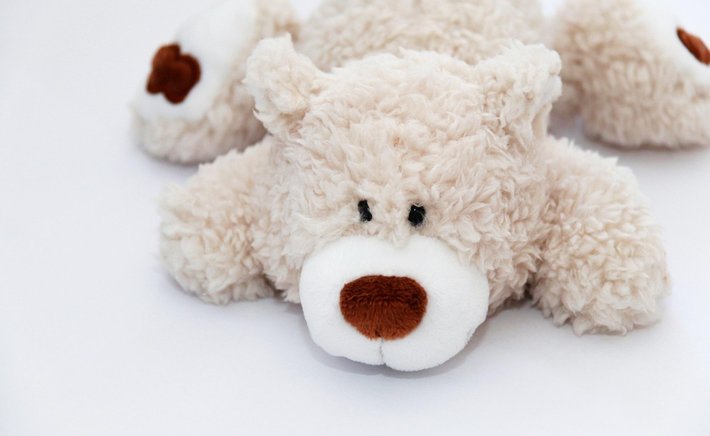
Decluttering a home with children in it is a different sport. You can't quietly empty a closet while everyone sleeps and expect it to stay that way. Kids have opinions, memories attached to odd objects, and a talent for noticing the exact toy you tried to sneak out. But a simpler family home is possible, and it's worth the effort, for you and for them.
The goal isn't a showroom. It's a home where toys get played with, art supplies get used, and cleanup doesn't turn into a nightly battle. Fewer things, better chosen, make all of that easier.
Start With Volume, Not Sentiment
The hardest part of decluttering with kids is the emotional weight. Every stuffed animal has a story, and every drawing feels like a treasure. So don't start there. Start with the easy stuff: broken toys, dried-out markers, puzzles missing pieces, clothes that no longer fit. This category is large in most homes and requires no negotiation. Gather it, bag it, and move it out.
Once the obvious excess is gone, you can see what's left. Often, the remaining toys fall into clear groups: building toys, pretend play, art, books, outdoor gear. Grouping by type makes it obvious when you have forty cars and no space to drive them.
Involve kids in the next round, but keep it concrete. Instead of asking what they want to keep, which invites hoarding, ask which five trucks are their favorites. A defined number is easier to answer than an open question, and it respects their preferences while setting a limit.
A useful trick is the temporary box. Anything your child isn't sure about goes in a box with a date on it. If nobody asks for it in a month, it leaves. This gives kids a sense of control without forcing a permanent decision in the moment.
Build Systems Kids Can Actually Use
A decluttered room only stays decluttered if a child can maintain it. That means low shelves, open bins, and labels with pictures for younger kids. If putting toys away requires lifting a heavy lid or solving a puzzle of stacked boxes, it won't happen. Make the right action the easy action.
Rotate toys instead of displaying everything at once. Store two-thirds of the toys out of sight and swap them every few weeks. The toys feel new again, the room stays manageable, and cleanup takes minutes instead of an hour.
Model the behavior yourself. Kids notice when you sort through your own things and let go. Talk out loud about why you're donating a jacket you never wear, and the lesson lands without a lecture. Decluttering becomes a family habit rather than a chore imposed from above.
The reward is a home where kids play more deeply with less, and where you spend less time managing stuff and more time enjoying the people who live there.

Author

22 feb,2025
This incident opened my eyes to the value of Insurance in general, so I decided to examine my personal and business insurance.



Comment (3)
The payments are made directly from one person to another without passing through a central bank or clearing house.
22 feb,2025
ReplyHow to Declutter Your Kitchen Counters Without Losing Your Mind
23 feb,2025
ReplyThe Emotional Side of Letting Go: Why Decluttering Feels So Hard
23 feb,2025
Reply