September 10, 2026 Post by : Editorial Paper & Digital
How to Declutter Your Kitchen Counters Without Losing Your Mind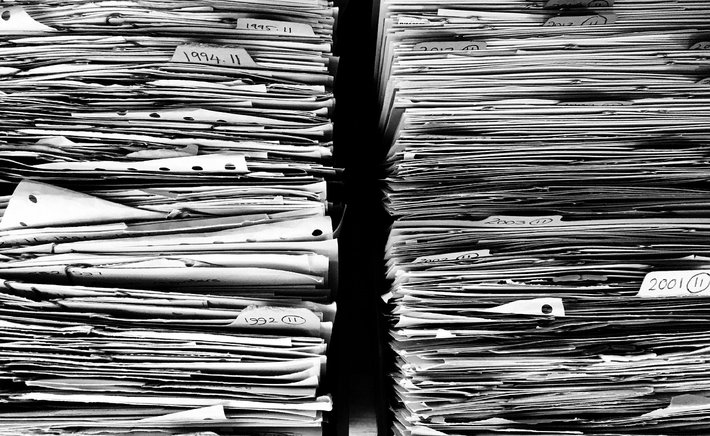
Paper is the quietest kind of clutter. It doesn't take up much room, so it hides in drawers, piles on counters, and stacks up in corners until one day you realize you're keeping five years of utility bills for no reason. Unlike clothes or toys, paper carries a sense of obligation. What if I need it? What if it's important? That fear is exactly what keeps the piles growing.
The fix isn't a filing cabinet with forty categories. It's a small, sustainable system that handles paper the moment it arrives and doesn't require you to become an archivist.
The Three-Bucket Method
Every piece of paper that enters your home falls into one of three buckets: action, archive, or recycle. Action means you need to do something with it, like pay a bill or reply to a form. Archive means you need to keep it, like a tax document or warranty. Recycle means it's done and gone.
Set up three physical homes for these buckets. A small tray for action items, a single folder or box for archives, and a shred or recycle bin near where you open mail. When paper comes in, sort it immediately. This takes seconds and prevents the pile from ever forming.
The action tray should be small on purpose. If it's overflowing, that's a signal to deal with the items, not to buy a bigger tray. Once a week, sit down and clear it. Pay the bill, sign the form, make the call. Most action items take less than two minutes once you stop avoiding them.
The archive folder needs a yearly purge. Once a year, go through it and remove anything you no longer need. Old utility bills, expired warranties, and statements you've already reconciled can go. Keep tax records for the period your country requires, and keep anything legally or financially significant. When in doubt, a quick search tells you what to keep.
Going Digital Without Going Overboard
You don't need to scan every receipt. But for documents you rarely need but must keep, like insurance policies or contracts, a digital copy is often enough. Scan or photograph them, store them in a labeled folder in the cloud, and shred the paper. This works especially well for manuals, which you can usually find online anyway.
The key is to decide once and stop re-deciding. If you've chosen to keep tax returns for seven years, that's the rule. You don't have to relitigate it every time you open the folder. Rules reduce decisions, and fewer decisions mean less friction.
Paper clutter feels heavy because it's tied to responsibility. But a simple system turns it into a background process. Mail comes in, gets sorted, and either gets handled or filed. No piles, no guilt, no mystery envelopes from three years ago. Just a home where paper knows its place.


Author

22 feb,2025
This incident opened my eyes to the value of Insurance in general, so I decided to examine my personal and business insurance.





Comment (3)
The payments are made directly from one person to another without passing through a central bank or clearing house.
22 feb,2025
ReplyThe Entryway Edit: Stopping Clutter at the Front Door
23 feb,2025
ReplyDecluttering With Kids: How to Simplify a Family Home Without a Fight
23 feb,2025
Reply